How Remote Work Trends Are Shaping the Future of Hiring

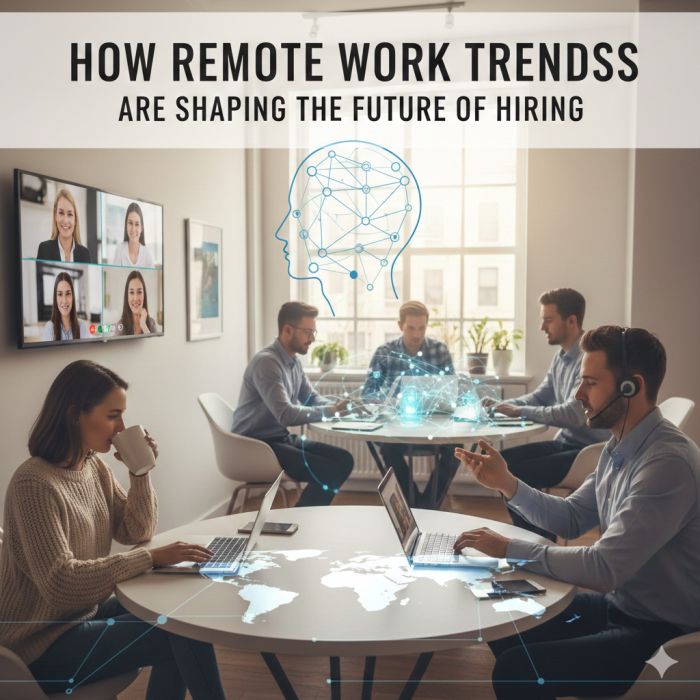
The professional world has undergone an enormous transformation in how work is approached, managed, and delivered. What began as a necessary pivot in response to global disruptions has evolved into a lasting model, changing not only the logistics of daily operations but also the fundamental strategies used for organizational growth. Hiring professionals and HR teams now leverage advanced solutions, such as recruitment ATS to optimize workflows, ensure seamless candidate experiences, and compete for top-tier talent, unrestricted by borders or time zones.
This shift to remote and flexible employment models creates new opportunities and challenges, compelling companies to redefine productivity, collaboration, and inclusivity. As the talent pool expands, organizations must focus on compensation, compliance, employee well-being, and technological advancement, indicating a long-term evolution in workforce dynamics. Understanding these trends is crucial for effectively navigating the new landscape, allowing companies to attract top talent and maintain competitiveness in a digital-first environment.
Access to Global Talent Pools
Remote work has dramatically expanded employers’ reach when sourcing talent. Companies no longer feel limited to candidates within commuting distance of their headquarters; instead, they can search globally for candidates whose skills and expertise align with organizational goals. This inclusive approach supports robust diversity and helps companies build creative, productive teams. Alongside these benefits, there are new challenges, including the need to understand international labor laws and to ensure competitive, equitable compensation across different markets. A report by Remote found that over half of surveyed organizations intend to increase international hiring within the coming year, underscoring the sustained momentum behind borderless recruitment.
The Rise of Hybrid Work Models
Many organizations are landing on a middle ground between fully remote and fully onsite work: hybrid work models. This flexible approach seeks to balance employees’ desire for autonomy and convenience with opportunities for in-person teamwork and culture-building. Hybrid models are particularly valued among employees who appreciate the freedom to tailor their schedules and work environments for better work-life balance. Companies offering these flexible options are outpacing their counterparts in attracting and retaining top talent. According to The Flex Index, organizations with these adaptive work policies are growing their teams at more than double the rate compared to firms that enforce strict full-time office attendance. This data highlights a broad expectation: flexibility has become a non-negotiable factor in modern workplace satisfaction and recruitment.
Integration of AI and Automation
Artificial intelligence and automation tools are increasingly integrated into the processes that underpin remote work and virtual collaboration. These technologies are not only making work more efficient but also empowering organizations to undertake more sophisticated data analysis, scheduling, and communication. For example, automated applicant tracking systems and smart scheduling assistants remove friction from recruitment and project management. A Forrester Consulting report commissioned by IBM highlights how AI and automation are essential for building resiliency and adaptability in the future of work.
Enhanced Focus on Cybersecurity
The shift to decentralized and remote work environments has elevated cybersecurity from a technical concern to a central organizational priority. With sensitive data regularly accessed and exchanged across locations and devices, companies must invest in robust security protocols and platforms. The adoption of multi-factor authentication, zero-trust security models, and regular employee training is now considered essential. These security enhancements are vital in a landscape where digital threats are becoming increasingly sophisticated and frequent. Organizations that proactively address cybersecurity help to foster trust and resilience not only with remote employees but also with clients and stakeholders.
Prioritizing Employee Well-Being
As remote work becomes the norm, organizations are increasingly concerned about their employees’ mental health and overall well-being. Virtual wellness programs, mental health resources, and regular check-ins are now foundational to the remote employee experience. Companies recognize that supporting well-being drives higher satisfaction, productivity, and retention, while also fostering a positive workplace culture. Making well-being a strategic focus is not only good for individuals but also for business outcomes, as healthier and happier employees deliver superior results and foster a stronger team culture.
Evolving Office Spaces
The role of the office in a remote or hybrid work era is changing. No longer simply a place for daily attendance, the office is being reimagined as a hub for collaboration, creativity, and relationship-building. Flexible seating, dedicated meeting spaces equipped with advanced technology, and support for seamless integration of remote participants have become key features in modern office design. These changes are intended to foster innovation and connection among staff, whether they attend in person or participate virtually. Adaptable spaces will define the future of the office, supporting organizational culture while reflecting the evolving preferences of the workforce.
Conclusion
The widespread adoption of remote work is transforming hiring strategies, workforce management, and the future of the workplace itself. By leveraging global talent pools, embracing flexible hybrid work models, integrating AI and automation tools, advancing cybersecurity, prioritizing employee well-being, and evolving the office environment, companies can establish a strong competitive advantage. Organizations that thoughtfully adapt to these trends will be best positioned to thrive in a constantly changing professional landscape.