Simple Ways to Boost AC Efficiency at Home
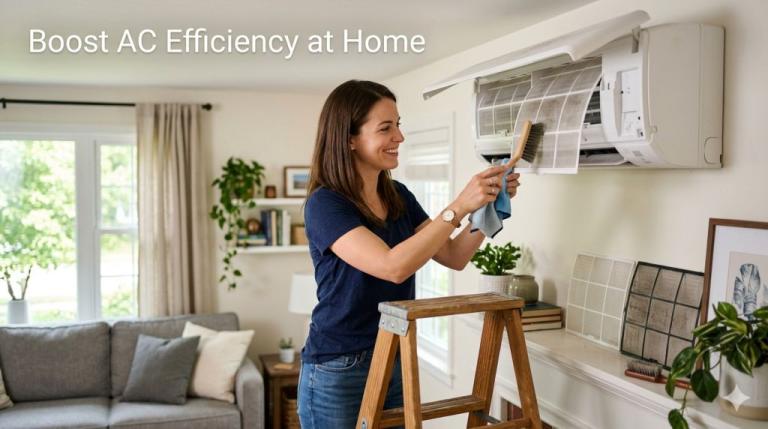
1. Regularly Replace or Clean Air Filters
Maintaining clean air filters is one of the easiest ways to keep your air conditioner running at peak efficiency. Dirty or clogged filters restrict the flow of air, forcing your AC unit to work harder and use more energy. This not only drives up your energy bills but can also shorten the lifespan of the system. Homeowners should check their filters monthly and replace them every one to three months, especially during high-use seasons. Clean filters also help improve indoor air quality, benefiting everyone in your household. For those looking for professional help with AC upkeep, exploring options for AC maintenance in Calabash NC can make a big difference in long-term performance.
2. Schedule Routine AC Maintenance
An air conditioner, like any major appliance, benefits greatly from periodic tune-ups by a qualified technician. Scheduling annual or seasonal inspections can catch minor issues before they become expensive repairs and ensure your system is operating efficiently. Technicians will typically check the refrigerant levels, inspect the electrical components, lubricate moving parts, and clean coils. These steps can extend the life of your system and ensure you stay comfortable throughout the hottest months.
3. Optimize Thermostat Settings
Small changes in your thermostat can yield big energy savings. Setting your thermostat to a moderate temperature, usually between 75 and 78 degrees Fahrenheit during the summer, can prevent the system from overworking. If you invest in a programmable or smart thermostat, you can schedule temperature changes to fit your daily routine, cooling your home only when needed. These smart controls not only help cut costs but also allow for greater comfort and convenience.
4. Ensure Proper Home Insulation
One of the most effective ways to support AC efficiency is to seal and insulate your home. Poor insulation allows cool air to escape while letting warm air enter, forcing your air conditioner to work harder. Focus on sealing gaps in windows, doors, and ductwork, and consider upgrading insulation in attics and walls for optimal results. Proper insulation can save energy and maintain a steady indoor temperature, supporting your AC’s performance throughout the season.
For advanced comfort improvements, consider exploring temperature zoning systems. Zoning lets you control temperatures in different areas of your home independently, maximizing both efficiency and comfort.
5. Utilize Ceiling Fans
Ceiling fans do not lower the actual temperature of a room, but they create a wind-chill effect that can make you feel several degrees cooler. By using fans to circulate air, you can often set your thermostat a few degrees higher, reducing energy use without sacrificing comfort. Always remember to turn off fans when leaving a room to avoid unnecessary energy use. According to the U.S. Department of Energy, strategic use of fans can play a significant part in overall home cooling strategies.
6. Keep the Outdoor Unit Clear
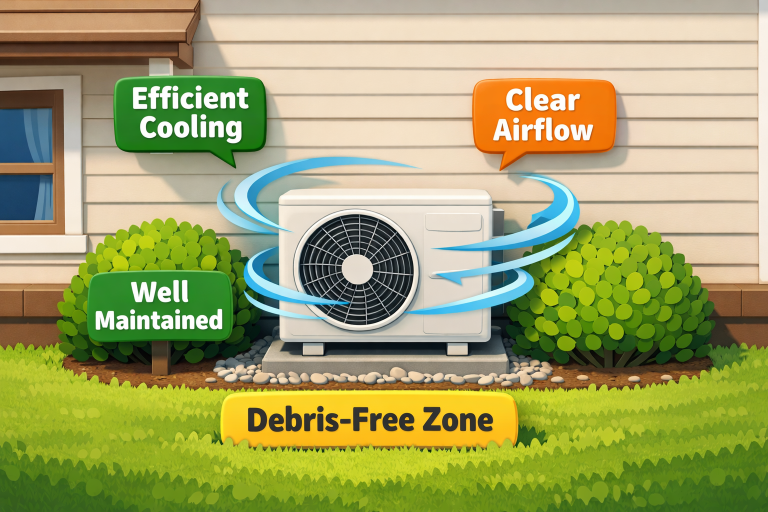
Your AC’s outdoor unit, or condenser, is essential in the process of heat exchange. If this unit is blocked by debris, plants, or other objects, it cannot function efficiently. It is important to keep the area around the condenser clear by trimming back vegetation and regularly removing leaves or other debris. Also, ensure the condenser coils are cleaned during regular maintenance visits to prevent dirt buildup that can hamper their function.
7. Manage Indoor Heat Sources
Many household activities add extra heat to your indoor environment, increasing the workload on your air conditioning system. To minimize unnecessary heat buildup, try to run heat-generating appliances, like ovens, stoves, and dryers, in the early morning or late evening. When possible, use the microwave instead of the oven, and avoid leaving lights, computers, and televisions on unnecessarily. Managing heat in your home will help your AC operate more efficiently and keep rooms cooler for longer.
8. Upgrade to Energy-Efficient Appliances
If your home still relies on older appliances, upgrading to models that carry the ENERGY STAR label can make a noticeable difference in your energy consumption. Modern refrigerators, dishwashers, washing machines, and dryers are designed to use less electricity and generate less heat, which in turn lessens the load on your air conditioning system.
Conclusion
By embracing these straightforward strategies, you can dramatically improve your air conditioner’s efficiency. Regular filter changes, professional maintenance, and mindful thermostat use all play a part in keeping your home comfortable and your utility bills low. Don’t overlook the benefits of proper insulation, ceiling fans, and upgraded appliances. With a bit of planning and care, your AC system will work reliably and efficiently even during the hottest days of the year.