
Expense Management for Modern Businesses: Strategies and Tools

In today’s dynamic business landscape, companies must manage their operational costs meticulously to maintain profitability and long-term growth. Effective expense management not only empowers finance teams to control outflows but also streamlines employee spending, enabling organizations to respond swiftly to market changes. Exploring the right systems and policies can be transformational as businesses weigh between automation, AI-driven analytics, and integrated financial platforms. Leveraging modern solutions, such as a business credit card for startups, helps reinforce spend control while supporting company-wide efficiency.
The growth of digital workplaces and decentralized teams means organizations encounter new complexities in expense reporting and budget enforcement. Modern solutions address challenges such as policy compliance, fraud risk reduction, and real-time expense tracking, all of which are critical for sustained success. Equipping staff with user-friendly tools and automating processes streamlines the process from submission to approval and reimbursement. This approach not only reduces human error but also ensures that policy guidelines are consistently followed.
Challenges in Modern Expense Management
Contemporary businesses routinely face hurdles while overseeing employee expenditures. The widespread decentralization of travel bookings and purchases, especially among remote teams, undermines standardized procedures and intensifies compliance challenges. As few as 18% of employees book exclusively through corporate channels, leaving room for policy deviations, hidden costs, and increased manual tracking. A lack of visibility across spending categories can result in exceeded budgets and expose organizations to regulatory risks.
With changing corporate travel and purchasing patterns, companies need agile solutions to quickly adapt their policies and processes. Legacy methods like spreadsheets and paper receipts are no longer sufficient, as they increase the risk of human error and make expense reconciliation more challenging for growing teams. Streamlined solutions are essential to regain control and ensure smooth financial operations.
Automation and AI in Expense Management
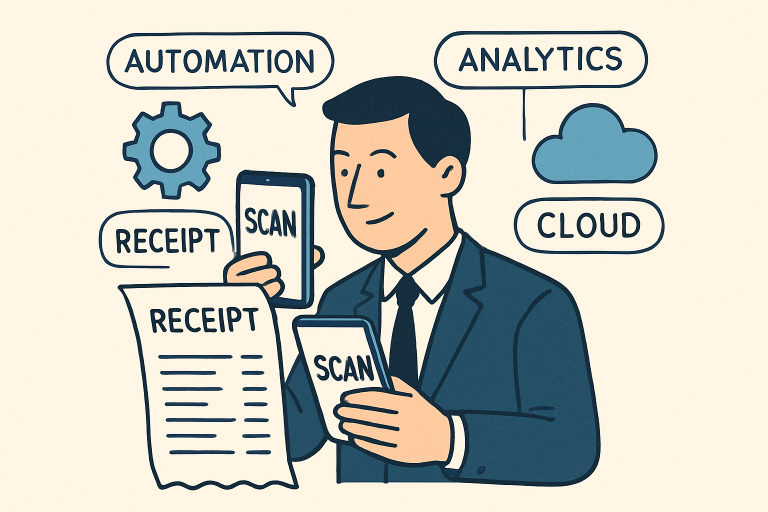
Automation and artificial intelligence are redefining expense management workflows for modern organizations. Automated data extraction technologies, including Optical Character Recognition (OCR), have eliminated the need for tedious manual entry of receipt data. Employees can now simply photograph receipts and submit them directly via a mobile app or online platform, reducing turnaround time and administrative workload.
Hyperautomation strategies, which unite robotic process automation, machine learning, and AI, can even automate complex workflows autonomously. These systems comb through vast datasets to flag non-compliant transactions, auto-categorize expenses, and highlight spending trends for review. As organizations strive for operational efficiency, adopting these digital solutions ensures greater accuracy in adapting their policies and processes through strategic analysis. As Forbes points out, these technologies represent a true revolution in simplifying workplace processes and supporting growth.
Integration with Financial Systems
The best expense management solutions seamlessly integrate with enterprise resource planning (ERP) platforms and other financial management tools. Cloud-based APIs enable secure, near-real-time data transfer between systems, eliminating duplicate entries and enhancing spend visibility. This integration supports up-to-date financial reporting, fast decision-making, and easier audits.
For example, integrated accounting systems enable automated reconciliation and ensure that employee reimbursements, credit card transactions, and supplier payments are accurately accounted for. Businesses with a centralized data flow can more easily meet regulatory requirements, while management teams remain informed about financial health. According to The Wall Street Journal, improved data integration streamlines compliance and drives better business outcomes.
Mobile Accessibility and User Experience
Mobile-first design has become the standard in modern expense management platforms. Employees expect to capture and submit expenses from anywhere, whether at home, in transit, or on-site with clients. User-friendly mobile interfaces enable direct receipt uploads, real-time categorizations, and even instant approvals by team leaders.
Benefits of Mobile Expense Management
- On-the-go expense capture for remote and field employees
- Faster submission and approval cycles
- Increased policy adherence with built-in reminders and prompts
- Enhanced visibility for managers overseeing multiple teams or locations
By prioritizing intuitive design and rapid processing, businesses improve the expense reporting experience and foster higher compliance rates across the workforce.
Policy Compliance and Fraud Prevention
Adhering strictly to company expense policies and minimizing fraud is vital for safeguarding company resources. AI-powered software can monitor transactions and compare them against policy guidelines in real time. Anomalies, duplicate submissions, and potentially fraudulent receipt images are detected by machine learning, preventing unauthorized payouts. In one notable case, AI-driven expense platforms flagged over $1 million in suspicious invoices in only three months.
Automated alerts, report audits, and prebuilt approval workflows further strengthen compliance efforts. With advanced analytics, finance leaders can identify repeat offenders and update controls as spending patterns evolve.
Choosing the Right Expense Management Tool
The best platform for your organization will align with your company size, industry, and policy needs. When evaluating options, core features to prioritize include:
- Automated receipt capture and real-time data entry
- Robust integration with current accounting and financial software
- Comprehensive mobile access
- AI-powered policy and fraud monitoring
- Customizable reporting and dashboards
Involving stakeholders from finance, IT, and HR ensures all user requirements are addressed. Testing platforms through demos and pilot programs can help validate fit and reveal hidden costs or operational strengths. Consulting resources such as industry analyst reports or large-scale review sites can provide additional perspectives for decision-makers.
Conclusion
Managing business expenses requires a blend of modern technology, robust integrations, and careful policy enforcement. By harnessing the advantages of automation, AI, and cloud-based platforms, companies can overcome traditional pain points and drive compliance. Forward-thinking leaders who invest in effective expense management set their organizations up for sustainable growth, protect corporate assets, and empower their teams for the future.