Innovative Solutions for Modern Real Estate Challenges
The real estate industry is undergoing unprecedented change, driven by rapid technological advancements and shifting societal priorities. Whether it’s adapting to client demands for greater efficiency, sustainability, or transparency, real estate professionals must stay ahead with innovative approaches. Santa Fe NM real estate experts Summit Group Real Estate Professionals are among those leading this transformation, offering strategies that bridge tradition and modernization in property management and development. Today’s market demands both vision and adaptability in real estate, driven by emerging technologies in construction and property management. Developers must create value while adhering to environmental, social, and governance (ESG) standards. Critical technologies, such as digital twins and artificial intelligence, can streamline operations and foster sustainable growth. Embracing innovation is crucial for addressing challenges such as climate change and shifting consumer expectations, thereby positioning firms for success in an uncertain environment.
Embracing Digital Twin Technology
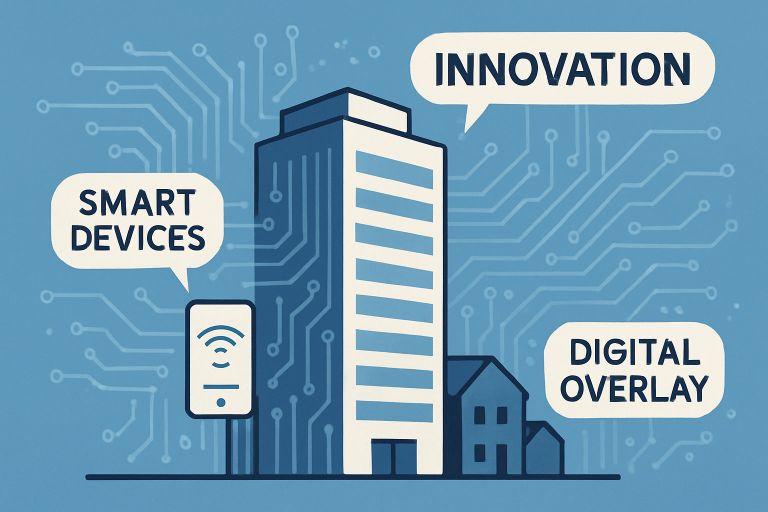
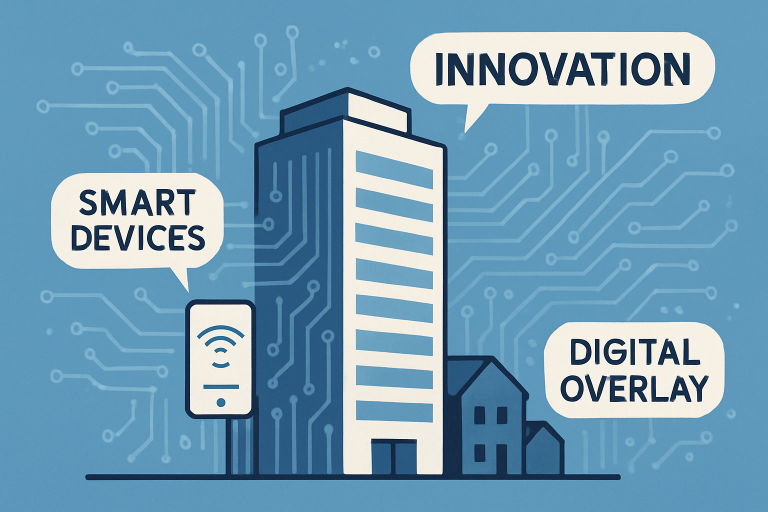
Digital twin technology has emerged as a cornerstone of modern construction and asset management. By creating a real-time digital replica of a physical asset, this approach allows stakeholders to anticipate potential challenges long before ground is broken or walls are raised. Precise modeling and simulation help prevent planning errors, lower project risks, and cut costs. For instance, a significant commercial development in Singapore leveraged digital twins to reduce planning errors by 45% and accelerate its timelines by approximately three months, demonstrating the significant impact of this innovation.
Implementing AI-Powered Property Management Systems
Automation is revolutionizing property management worldwide. Artificial intelligence (AI) platforms streamline time-consuming tasks such as tenant screening, lease renewals, rent collection, and maintenance scheduling. The intelligent analysis of data enables predictive modeling for a wide range of applications, from vacancy forecasts to rental pricing. This modernization doesn’t just boost efficiency—it creates a better experience for both tenants and property owners. According to Apollo Technical, the implementation of AI solutions has led to increased accuracy and substantial reductions in operational costs, helping landlords and property managers stay ahead in a competitive market.
Adaptive Reuse: Preserving Heritage, Transforming Spaces
Adaptive reuse projects reimagine and repurpose historic buildings for modern use, striking a balance between preservation and innovation. This trend not only preserves cultural legacies but also revitalizes neighborhoods, conserves resources, and mitigates the environmental impact of new construction. The High Line in New York City—a repurposed elevated railway transformed into an urban park—is a shining example of how these conversions can breathe new life into communities while embracing environmental stewardship.
Advancing Net-Zero Energy Buildings
Sustainability is at the core of the next generation of real estate. Net-zero energy buildings are designed to meet their own energy needs through the use of renewable power and advanced energy management systems. These innovative structures utilize solar panels, high-efficiency insulation, and intelligent heating/cooling controls to reduce energy consumption significantly. The Edge in Amsterdam stands out as one of the world’s greenest office buildings, highlighting the potential of green architecture to transform the industry while helping address the global climate crisis.
Leveraging Blockchain for Transparent Transactions
Blockchain technology is poised to transform the way real estate transactions are conducted, infusing the industry with new levels of transparency, efficiency, and security. Smart contracts automate processes that once required countless intermediaries and reams of paperwork, while tokenization opens doors to fractional ownership for previously excluded investors. This democratization of property investment not only streamlines access but also builds trust through verifiable record-keeping on distributed ledgers—a capability increasingly vital in an era emphasizing accountability and openness.
Conclusion
The future of real estate will be defined by the sector’s ability to innovate in the face of ongoing challenges. From digital twin technology to blockchain and net-zero buildings, each solution offers a distinct approach—improving performance while building a more sustainable world. Even advancements in construction processes and Powder Coating Equipment are playing a crucial role, enhancing durability, efficiency, and environmental performance in modern developments. The real experts are those who embrace these transformative trends to create lasting value for clients, tenants, investors, and the environment.