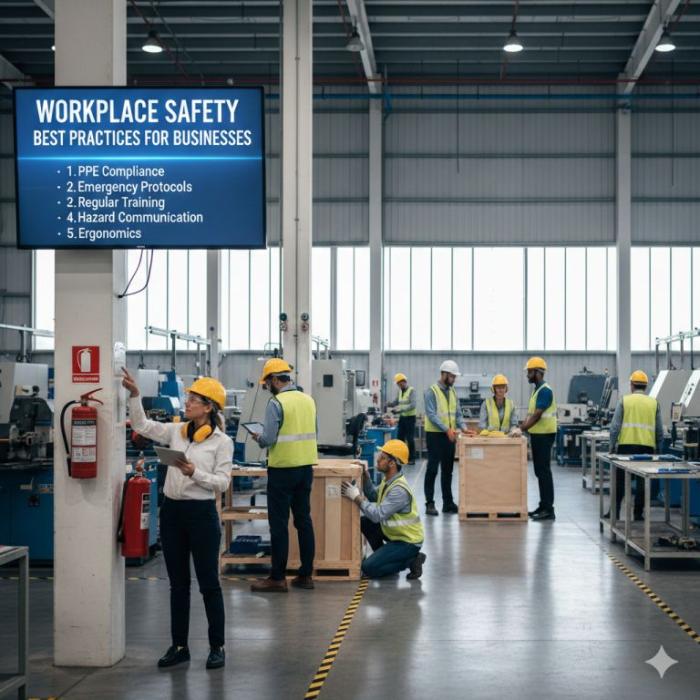
Workplace Safety Best Practices for Businesses

Creating and maintaining a safe workplace is essential for every organization, not only to comply with legal obligations but also to safeguard employees’ health, morale, and productivity. A business that takes its worker welfare seriously will find that robust safety protocols don’t just prevent potentially costly accidents; these protocols contribute to a positive, resilient organizational culture. As workplace incidents can cause significant disruptions, prioritizing safety reduces absenteeism, increases efficiency, and limits turnover. Employers who invest in employee injury protection demonstrate genuine concern for staff well-being, which helps build trust and loyalty across all levels of the organization. This care ultimately translates into a better brand reputation and a more stable workforce.
A proactive safety strategy delivers moral and financial benefits while reducing reputational risk from preventable incidents. It strengthens a company’s image and competitive edge in any industry. Building a safe work culture involves cross-department safety committees, regular risk assessments, open hazard communication, and effective training that empowers employees to report concerns. Ongoing commitment and compliance with updated guidelines from the Occupational Safety and Health Administration (OSHA) are essential for lasting workplace safety.
Forming a Safety Committee
A strong safety committee functions as the backbone of an effective workplace safety program. By bringing together employees from various departments and levels, from upper management to frontline staff, a committee can holistically review safe work practices, company policies, and overall conditions. This diversity of perspectives ensures that both strategic views and day-to-day realities are factored into decision-making. The committee typically reviews recent accidents or near misses, conducts workplace inspections, and assesses the effectiveness of existing safety initiatives. Holding regular meetings keeps safety issues in focus and helps the organization remain agile, adapting policies and procedures as new risks emerge or as work processes evolve.
Having a dedicated group for ongoing safety efforts also demystifies the process for staff and builds a shared sense of ownership. Structured involvement ensures employees remain engaged, while leadership participation sends a strong message about the company’s commitment to safety. Safety committees are also reliable forums for introducing new safety technology or responding promptly to regulatory changes. By documenting committee recommendations and actions, organizations further establish accountability in their safety framework.
Conducting Regular Risk Assessments
Every business benefits from systematically evaluating potential workplace hazards. Formal risk assessments should be conducted at least annually, or whenever significant changes occur in operations, facilities, or staffing. These assessments must go beyond obvious physical hazards such as faulty machinery, exposed wiring, or obstructed pathways and address less visible but equally important risks, including ergonomic strains, repetitive stress injuries, chemical exposures, and psychosocial factors such as workplace stress or harassment. As new technologies and work processes are introduced, risk profiles can shift rapidly, making frequent evaluations essential.
OSHA recommends that risk assessments include workplace tours, employee interviews, and thorough reviews of injury logs to identify unseen patterns or overlooked dangers. When risks are discovered, organizations should act swiftly, whether that means issuing upgraded protective equipment, redesigning workflows, or updating signage and escape routes. According to the Occupational Safety and Health Administration (OSHA), regular reviews of safety practices and prompt corrections are pivotal in preventing injuries and illnesses before they occur.
Providing Comprehensive Employee Training
Effective employee training is essential to building familiarity and confidence with safety protocols. A thorough training program doesn’t just explain the why and how of safety rules; it also teaches practical skills that employees can apply right away. This should include hands-on practice with tools, equipment, and personal protective equipment (PPE), as well as demonstration of safe lifting techniques, chemical handling, machinery lockout/tagout, and more. Beyond initial onboarding, regular refresher sessions are vital, especially when processes or equipment change, or whenever safety data indicates a recurring issue.
By tailoring training sessions to job-specific hazards, companies show a genuine investment in their workforce. Scenarios, simulations, or even digital learning modules can make training interactive and memorable. Well-trained employees are not only less likely to be injured, but they are also often more productive and engaged, as they feel equipped and supported by their employer. Well-structured training boosts morale and helps reduce the anxiety that can come from uncertainty or lack of preparation. Furthermore, records of completed training can demonstrate compliance in the event of audits or inspections.
Establishing Open Communication Channels
Open, two-way communication between management and staff is crucial to a dynamic, effective safety program. Employees on the ground often spot hazards faster than supervisors or executives, making their input invaluable in hazard identification and prevention. Organizations should foster an environment where employees feel comfortable reporting concerns, whether through anonymous suggestion boxes, digital reporting tools, or regular in-person safety meetings without fear of retaliation or discipline. When team members know their concerns will be listened to and addressed, they are more likely to speak up when something seems wrong, helping prevent accidents before they happen.
Effective safety communication also means regularly updating staff on outcomes, corrective actions taken, and new procedures adopted. Transparent processes for resolving issues and tracking follow-up action reassure employees that their voices matter and that prompt resolution is a management priority. Feedback surveys and safety focus groups can expose blind spots and allow for continual improvement of safety protocols, building trust and cooperation across the workforce.
Implementing Emergency Preparedness Plans
No organization can predict every emergency, but every employer can plan to handle crisis situations effectively. A credible and comprehensive emergency preparedness plan provides clear, actionable instructions for events such as fires, severe weather, chemical spills, or medical emergencies. Effective plans outline specific roles and responsibilities, establish emergency communication procedures, identify evacuation routes, and document the locations of life-saving equipment, such as fire extinguishers and first-aid kits. Plans must be accessible and communicated to all staff, not siloed with senior management or safety teams.
Regularly scheduled emergency drills, such as fire or earthquake drills, are essential to ensuring that all employees understand their roles and can perform them under pressure. Drills also reveal deficiencies in procedures and allow for quick improvement. Access to properly maintained emergency gear, as well as designated staff trained in first aid, CPR, or crisis management, dramatically improves outcomes during real incidents. The knowledge and confidence that preparedness brings reduce panic, speed response, and help protect both people and property.
Ensuring Proper Safety Equipment and Maintenance
Quality, well-maintained protective equipment is non-negotiable for safe operations in any field. Employees must have access to all the necessary personal protective equipment, including helmets, gloves, goggles, and safety harnesses, based on the nature of their job. It’s equally important to provide clear training on the selection, fit, use, and storage of this equipment so employees know when and how to use it. Unsafe or defective equipment should be removed from service immediately, and routine inspections can help spot issues before injuries occur.
Proper machine maintenance and a clean, organized workplace also play pivotal roles in preventing accidents. Unattended spills, cluttered aisles, or malfunctioning machinery all increase the likelihood of incidents. Regular cleaning schedules, maintenance logs, and quick resolution of repair tickets help keep the work environment safe and efficient, demonstrating that safety is part of daily business, not an afterthought.
Fostering a Culture of Safety
Cultivating a strong safety culture starts with visible leadership commitment. When executives and managers model safe behaviors, actively participate in safety meetings, and recognize individual or team safety achievements, it sets the tone for everyone else in the organization. Engaged leaders demonstrate every day that safety is essential, not simply a regulatory box to tick. Policies should be discussed in team meetings, incorporated into performance reviews, and rewarded when executed correctly.
Recognizing and celebrating milestones, such as achieving “accident-free” periods or implementing new safety solutions, not only keeps safety top of mind but also instills pride and shared responsibility among staff. Involving employees in policy development and review gives them a sense of ownership, motivating everyone to look out for one another. A culture where individuals feel empowered and accountable helps prevent complacency and keeps safety practices vibrant and effective.
Continuous Improvement and Feedback
Truly effective safety programs are always evolving. Soliciting ongoing employee feedback, analyzing incident reports, and tracking trends help organizations refine their safety systems and close gaps before they lead to harm. Routine updates to training materials, policies, and operational guidelines ensure that safety processes remain relevant and compliant with current standards and regulations.
Taking a collaborative approach to safety and inviting regular feedback shows employees that their insights drive meaningful change. This creates a shared sense of purpose and ensures the company remains agile in the face of new challenges. Ultimately, workplaces that champion safety not only reduce liability but also foster an environment where employees can thrive, innovate, and perform at their best. The long-term rewards, reduced costs, improved morale, and regulatory confidence make investing in continuous safety efforts a smart decision for every business.
Organizations that lead in workplace safety nurture not just compliance but a thriving, trusting, and productive environment. Demonstrating respect for employee health and well-being, these businesses enjoy better performance, less downtime, and greater loyalty from their teams, positioning themselves for long-term success.