
Sustainable Solutions for Used Cooking Oil Management

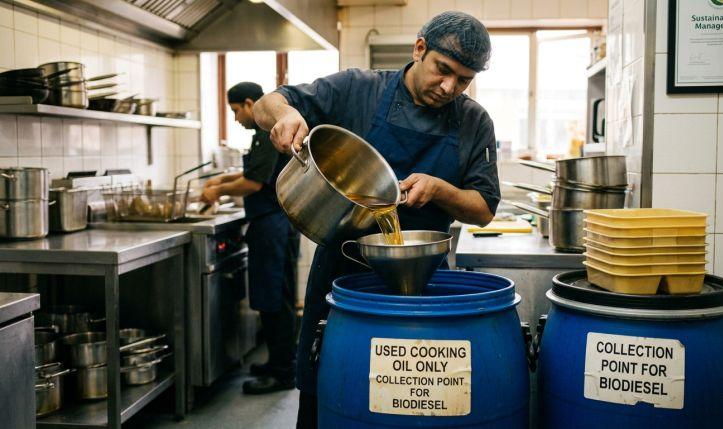
Properly managing used cooking oil (UCO) is essential for environmental sustainability and operational efficiency. Improper disposal of UCO can create severe environmental problems, including water pollution and sewage blockages. Turning waste into a valuable resource not only protects natural ecosystems but also supports business sustainability and community well-being. Companies like Gfcommodities.com offer reliable pickup and recycling services, making it easier for businesses to manage used cooking oil responsibly.
Responsible oil management practices are becoming more prevalent as businesses recognize the environmental and financial benefits of UCO recycling. By preventing harmful oil dumping and transforming waste into fuel and new materials, the food industry plays an important role in building a greener future. In fact, global awareness of the risks associated with UCO mismanagement is prompting cities and companies to implement forward-thinking initiatives.
Environmental Impact of Improper Disposal
Improper disposal of used cooking oil causes a range of problems for cities and the environment. Pouring oil down drains may seem harmless, but it often results in clogged pipes, costly repairs, and polluted waterways. These clogs can form “fatbergs,” which are massive, solidified fat deposits that disrupt sewer systems in cities across the globe. According to the Environmental Protection Agency, improper disposal of fats, oils, and grease sends an estimated 47 percent of sewer overflows into the environment each year, contaminating rivers and affecting aquatic life.
To combat these challenges, specific regions have adopted unique solutions. For example, Dubai has initiated a project to convert UCO into biodiesel, aiming to limit environmental hazards and decrease pressure on the sewer infrastructure. Such efforts not only provide environmental relief but also promote sustainable resource use, reflecting a growing trend in urban waste management worldwide. You can learn more about Dubai’s system for biodiesel production from used cooking oil via this BBC report.
Benefits of Recycling Used Cooking Oil
Recycling used cooking oil yields substantial environmental and economic rewards. Here are some of the main advantages:
- Environmental Conservation: Converting UCO into biodiesel decreases greenhouse gas emissions and reduces global reliance on fossil fuels. This transition helps mitigate climate change while preserving air and water quality.
- Economic Opportunities: The biodiesel sector creates new jobs in collection, processing, and distribution. In addition, companies can generate extra revenue by selling their waste oil, transforming what was once a disposal problem into a business opportunity.
- Waste Reduction: Capturing and reusing cooking oil keeps it out of landfills and sewers, preventing environmental contamination and reducing the need for costly cleanups and sewer repairs.
With mounting regulations on waste disposal and new incentives for sustainable business practices, establishments can benefit tangibly from implementing UCO recycling programs. Many U.S. states, for example, now encourage restaurants and food producers to enroll in such programs for both environmental and economic gain.
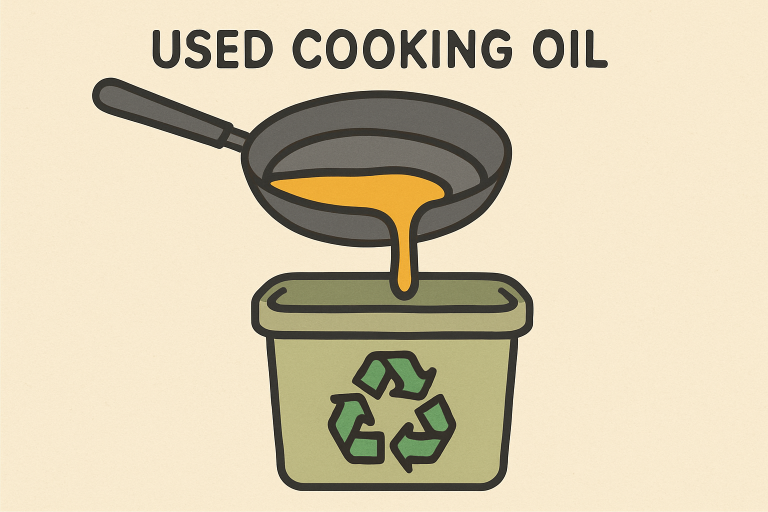
Innovative Technologies in Oil Recycling
The field of oil recycling has seen significant technological advances. Modern filtration systems can now efficiently convert used oil into high-quality biodiesel, lubricants, or industrial materials. Recently, researchers in the UK even developed an adhesive made from recycled cooking oil that is strong enough to tow a car, unveiling an entirely new application for a common waste product. These innovations highlight the versatility of UCO and the opportunities available for sustainable, science-driven products. Further reading about this innovation is available at Live Science.
Advancements in processing and conversion technologies will only expand the value and usability of recycled cooking oil, offering businesses more incentives to take advantage of waste collection and transformation services.
Global Initiatives and Partnerships
International cooperation is a driving force behind sustainable UCO management. Governments and companies are forming partnerships to maximize the positive impacts of oil recycling. In the United States, Beyond Oil USA has teamed up with Eazy Grease to help restaurants prolong the life of their frying oil and ensure safe, responsible recycling. Their collaboration sets a high bar for the industry and shows how partnership models can accelerate sustainability across borders. MBusiness Wire covers more details on such partnerships and their impact.
Similar collaborations are forming in Europe and Asia, where cities and private companies are working hand in hand to ensure used oil is properly collected and recycled, sometimes turning waste into energy for public transportation systems. This collective approach leads to higher recycling rates, reduced pollution, and shared best practices that benefit communities and the environment.
Practical Steps for Businesses
Transitioning to responsible UCO management need not be complicated. Here are some actionable steps businesses can follow:
- Implement Collection Systems: Install dedicated containers for UCO and establish clear collection procedures to prevent spills and contamination.
- Partner with Recycling Services: Choose a licensed UCO collection provider that ensures safe, regular pickups and certified recycling processes.
- Educate Staff: Regularly train employees on the consequences of improper disposal and the benefits of recycling oil. Clear signage and regular reminders can reinforce best practices.
- Monitor Usage: Analyze your cooking oil consumption to optimize usage and minimize unnecessary waste. Investing in oil-life extension technologies can also reduce overall oil consumption.
Businesses that incorporate these steps will find it easier to comply with regulations, save on disposal costs, and position themselves as sustainability leaders. Building a UCO recycling program not only boosts a company’s environmental profile but also strengthens its connection with eco-conscious consumers.
Conclusion
The responsible management of used cooking oil is critical for sustainable business operations and environmental stewardship. With the rise of advanced recycling technologies and support from reliable service providers, it has never been more practical or beneficial for businesses to manage their UCO properly. By implementing collection systems, collaborating through innovative partnerships, and educating staff, organizations can play an active role in conserving resources, reducing pollution, and building a sustainable future for their communities.
