
How Technical SEO Shapes Modern Website Performance


Understanding Technical SEO
Technical SEO is the foundation of any high-performing website in today’s digital landscape. By systematically improving a website’s backend structure and protocols, businesses ensure their content is easily discoverable by search engines and is delivered efficiently to users. It doesn’t just affect how a site is indexed but also how users experience its performance and security in real time. When businesses partner with a SoCal SEO company, they gain access to in-depth expertise focused on eliminating technical barriers that might hinder optimization efforts.
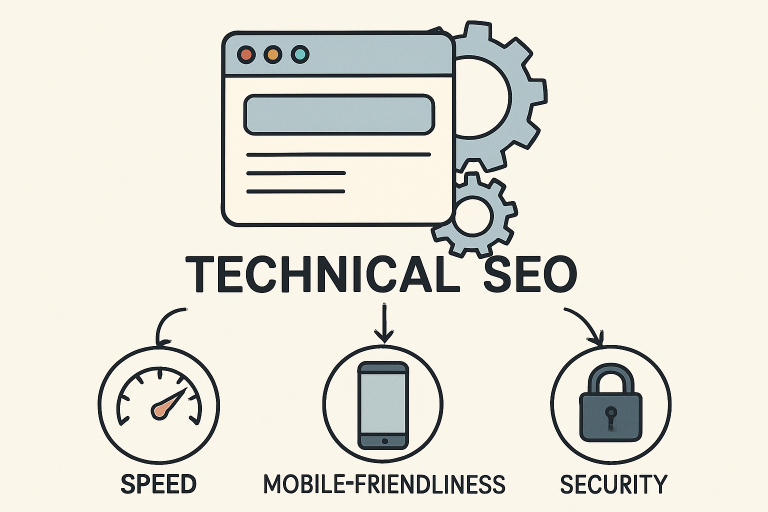
Where traditional content-focused SEO focuses on keyword use and topic relevance, technical SEO focuses on powerful elements such as HTTPS protocols, URL structures, site speed, and mobile-friendliness. These contribute directly to search engine rankings. Search engines favor sites that strike a balance between relevance and technical excellence, reflecting the increasing overlap between user experience and algorithmic requirements.
A seamless website experience starts with flawless technical execution. For example, optimizing crawl budgets, ensuring correct indexing of key pages, and addressing structured data are all pillars of technical SEO success. As the digital marketplace becomes more competitive, the performance gains from these technical improvements have measurable business impacts.
Technical site health also supports content strategies no amount of great writing or compelling multimedia will convert if your site struggles to load, is difficult to navigate, or is penalized for security flaws. Maintaining technical SEO best practices gives sites a critical edge over the competition in both search and user satisfaction.
Google’s Core Web Vitals have become a central set of standards in technical SEO, focusing on what matters most to real-world site visitors: load speed, interactivity, and visual stability. These metrics provide clear, actionable targets for webmasters to hit in their quest for optimal user experience.
- Largest Contentful Paint (LCP): Tracks the loading speed of the largest visible content element. Ideal LCP scores are under 2.5 seconds, indicating that the site responds quickly to visitor intent.
- First Input Delay (FID): Reflects how rapidly the page becomes interactive. A good FID is less than 100 milliseconds, minimizing user frustration when clicking or scrolling.
- Cumulative Layout Shift (CLS): Monitors unexpected page movement. A CLS score under 0.1 reduces accidental clicks, keeping your interface stable as elements load.
Sites that fall short on Core Web Vitals may experience reduced engagement and lower rankings. Optimizing these metrics involves a blend of front- and back-end improvements, from image compression and critical CSS inlining to backend server upgrades.
Implementing Server-Side Rendering (SSR)
Server-side rendering (SSR) is the process of generating fully rendered HTML pages on the server before sending them to the browser. This process is particularly beneficial for modern JavaScript-heavy frameworks and single-page applications that render most content client-side, potentially leading to slow first loads and delayed interactivity.
SSR frameworks like Next.js streamline delivery by prepping content server-side, leading to faster time-to-content and complete indexing by search engines. Studies comparing Next.js to traditional React.js implementations show marked improvements in both initial load performance and SEO outcomes, since search engines don’t need to execute JavaScript before they can read content.
For dynamic platforms, SSR closes the gap between cutting-edge web technologies and crawl efficiency, ensuring that innovations in web design don’t come at the cost of technical SEO.
Optimizing Code Architecture
A site’s codebase is at the heart of both its performance and its ability to scale. Adopting modular code and frameworks designed for speed, such as Svelte, can create significant efficiency gains. Deferred script loading, tree shaking, and relying on asynchronous, lightweight imports all reduce unnecessary bulk, contributing to leaner, faster web pages.
Best-in-class web architecture enables easier debugging, better resource management, and support for rapid iteration for development teams. This level of optimization isn’t just about speed, it’s about future-proofing your site against technical debt that can become costly as websites grow.
Utilizing Performance Monitoring Tools
Continuous analysis is essential for maintaining optimal technical SEO. Tools like Google PageSpeed Insights provide actionable feedback on everything from server response times to render-blocking resources and improperly compressed assets. These tools help teams prioritize technical changes based on real-world usage and provide benchmarks for ongoing improvement.
Site owners who regularly audit their pages with robust monitoring tools can catch and resolve performance regressions before they affect user experience and SEO rankings.
Staying Updated with SEO Guidelines
As algorithms and user expectations evolve, so too do technical standards. Companies invested in top performance monitor changes directly from industry leaders. For instance, The Washington Post has released authoritative web performance and SEO guidelines, giving digital teams a real-world framework for technical excellence. Adopting recommendations from respected publishers helps maintain alignment with the latest best practices across the web ecosystem.
Consistently updating SEO strategies ensures that sites don’t lag behind competitors and that they’re ready to thrive in an environment where technical and content excellence are both required for lasting success.
Conclusion
Technical SEO is an engine for digital growth. It defines how quickly and reliably users experience, engage with, and return to your website. By monitoring Core Web Vitals, implementing server-side rendering, optimizing code structure, using advanced performance tools, and staying current with the latest SEO guidelines, brands can build resilient web presences that deliver clear, compounding value in search results and user satisfaction. Regular technical audits and proactive improvements will ensure your website stands out and stays ahead.