
The Role of Software in Optimizing Telecom Expense Management for Businesses


Telecommunication services are a critical component of today’s business operations, facilitating seamless communication and connectivity. However, managing the expenses associated with these services can be complex, often involving numerous plans, rates, and usage patterns. With the rise of mobile workforces and the growing complexity of telecom contracts, businesses find it increasingly challenging to keep track of and optimize their telecom spending. This is where telecom expense management (TEM) software steps in, offering a strategic solution for businesses seeking to streamline their telecommunications spending and processes. In this article, we’ll explore how TEM software is transforming the way companies manage their telecom expenses effectively.
Understanding Telecom Expense Management and Its Business Impact
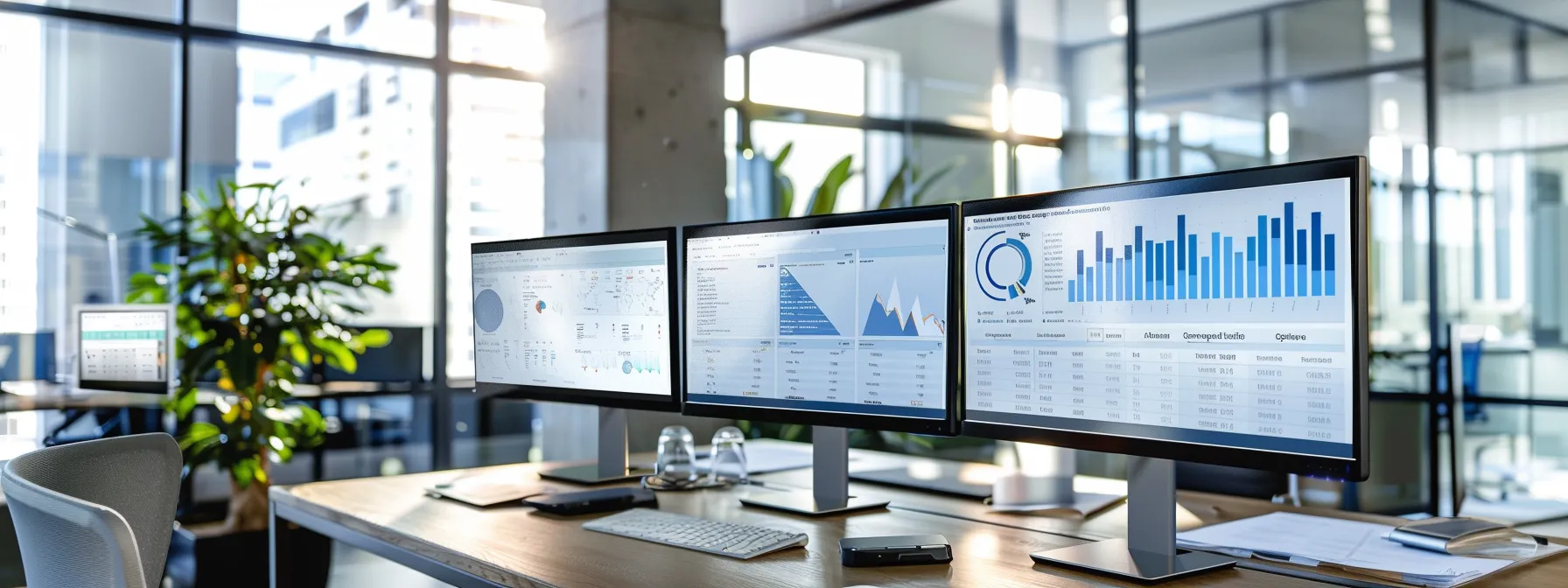
Telecom Expense Management (TEM) helps businesses track and control their telecommunications equipment, services, and costs. As companies grow, managing these expenses manually can lead to errors, inefficiencies, and missed savings opportunities. A strong TEM strategy identifies billing mistakes, ensures contract compliance, and optimizes procurement, while providing insights into usage patterns that guide future telecom decisions.
Using software for telecom expense management, such as Cimpl, automates these processes and improves accuracy, reducing the burden on internal teams. Beyond cost savings, TEM enhances transparency and corporate governance, giving management a clear view of telecom resource allocation and usage, enabling smarter, strategic decisions that support organizational growth.
How Software Streamlines Telecom Expense Management Processes
TEM software centralizes all telecom data—inventory, contracts, invoices, and usage reports—into a single platform, streamlining workflows and simplifying access. It automates invoice validation, instantly flagging discrepancies and ensuring charges match contracted rates. Beyond billing, the software delivers detailed analytics on telecom spending, allowing businesses to track trends, identify unnecessary costs, and forecast future expenses. This level of insight enables companies to refine budgets and enhance cost-efficiency.
The software also automates cost allocation, distributing expenses across departments to promote accountability and simplify accounting. Data-driven insights empower decision-makers to renegotiate contracts and optimize service plans, adjusting for underutilized features and maximizing telecom investments. This proactive management approach supports smarter spending and operational efficiency in a fast-paced digital environment.
Key Features of Telecom Expense Management Software

Effective TEM software streamlines every aspect of telecom expense management. Inventory management tools track all assets, from smartphones to VoIP systems, ensuring nothing goes unused or unmonitored. Contract management modules centralize agreements, storing terms, conditions, and renewal dates to prevent overpayments and secure favorable terms. Built-in audit and optimization features identify cost-saving opportunities and verify compliance, while intuitive reporting and visualization tools make data actionable for stakeholders.
Mobile device management integration is increasingly vital, allowing businesses to monitor employee device usage and avoid overage charges. TEM software that connects with HR and finance systems enhances operational cohesion, providing a unified platform to manage telecom resources efficiently within the broader enterprise ecosystem.
Analyzing Cost Savings with Automated Expense Tracking
Automated telecom expense management (TEM) software delivers significant cost savings by replacing manual tracking with precise, real-time monitoring. Automation reduces human errors, preventing overcharges and freeing employees to focus on high-value tasks. Continuous visibility into telecom usage allows finance teams to spot unusual spikes or potential fraud quickly, mitigating financial losses that manual systems might miss.
TEM software also streamlines invoice reconciliation, ensuring businesses pay only for services actually used. Detailed reporting and trend analysis reveal inefficiencies and support negotiations for optimized service plans. By aligning expenses with actual usage and providing actionable insights, TEM software empowers organizations to strategically manage telecom costs while enhancing operational efficiency.
Overall, the evidence is clear that properly managing telecommunications expenses can lead to substantial benefits for organizations of all sizes. TEM software provides the tools necessary to navigate the intricate world of telecom contracts, services, and usage patterns while offering substantial cost savings and operational improvements. As technology continues to evolve and telecom needs become more complex, the role of TEM software will only grow in significance, solidifying it as a cornerstone of effective business management practices.