
How Employment Law Affects Everyday Workplace Situations

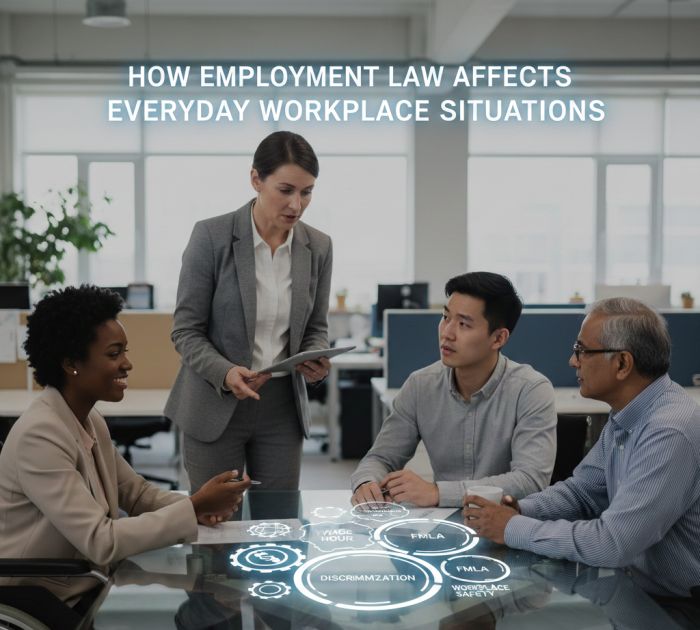
Employment law shapes the framework that governs relationships and actions within the modern workplace. Whether you are a manager, an employee, or an HR professional, understanding legal protections and obligations can help you prevent disputes and create a fair work environment. For workers in Colorado seeking expert guidance, some attorneys that specialize in employment in Denver and can help you navigate complex legal scenarios.
These laws do not exist in a vacuum. Instead, they touch nearly every aspect of day-to-day business operations, from recruiting and pay practices to family leave, disability accommodations, remote work, and workplace conduct. Staying informed about relevant statutes and requirements is vital for employees and employers to maintain trust and legal compliance.
Adhering to employment regulations is essential for ensuring fairness, safety, and operational consistency in any organization. Companies that understand and respect these guidelines experience fewer legal disputes and enjoy more engaged employees. Ultimately, knowledge of employment law helps both parties set realistic expectations and resolve concerns effectively.
Given frequent changes in the labor landscape and new technology’s impact on the workplace, ongoing attention to employment law is more important than ever. Both employers and employees should routinely review policies and practices to ensure compliance with the law, especially as remote work and digital communications redefine daily routines.
Hiring Practices and Anti-Discrimination Laws
Discriminatory hiring practices are prohibited by federal law, making it illegal to refuse employment or treat applicants differently based on factors like race, sex, religion, age, national origin, or disability. All interview questions, job postings, and evaluation criteria should be neutral and job-related. The Equal Employment Opportunity Commission (EEOC) enforces these standards and can investigate claims or impose penalties for noncompliance. Employers should document their recruitment processes and apply standardized procedures to promote equality and protect against potential claims.
Wage and Hour Regulations
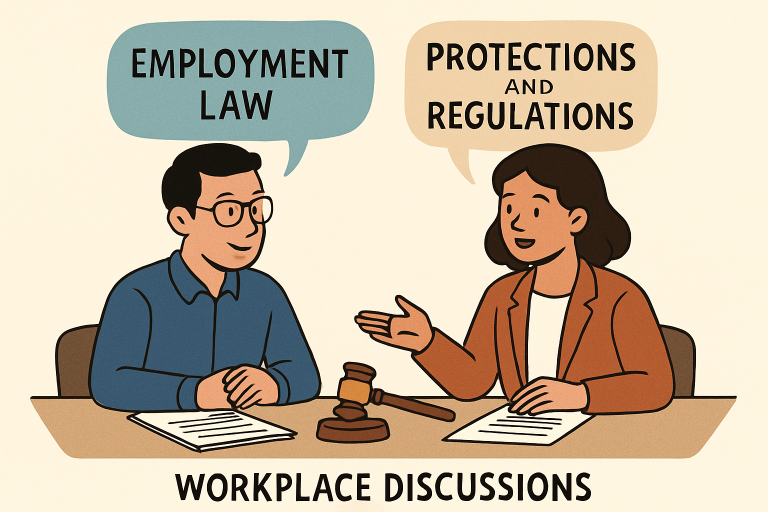
The Fair Labor Standards Act (FLSA) establishes minimum wage, overtime requirements, and youth employment rules for most U.S. workplaces. Non-exempt employees must be compensated for hours worked over 40 per week at 1.5 times their regular pay rate. State laws may provide additional protections, setting higher minimum wages or stricter overtime guidelines. Proper recordkeeping and clear overtime policies are essential. Failure to comply can result in lawsuits, back wages, and fines. The U.S. Department of Labor offers resources to help both employers and employees understand these critical rights and responsibilities.
Workplace Safety and Health Standards
Employers are legally required to provide a safe work environment under the Occupational Safety and Health Administration (OSHA). This includes supplying personal protective equipment, conducting safety training, and addressing any hazards. Regular evaluations are vital to identifying and correcting potential risks. Employees also have the right to report unsafe conditions without retaliation. Proactive compliance with OSHA standards not only prevents workplace injuries but also maintains morale and reduces potential liability.
Family and Medical Leave
The Family and Medical Leave Act (FMLA) entitles eligible employees to up to 12 weeks of unpaid, job-protected leave for specific family or medical reasons. Common scenarios include caring for a newborn, managing a serious health condition, or supporting an immediate family member with health needs. Clear company leave policies and thorough documentation are necessary to ensure both employee support and legal compliance. Misunderstandings over the scope or duration of leave often lead to costly disputes or government investigations.
Accommodations for Disabilities
Employers must make reasonable accommodations for qualified workers with disabilities, as outlined in the Americans with Disabilities Act (ADA). Accommodations may include adjusted work hours, specialized equipment, accessible facilities, or modified job duties. Employers should engage in an open, interactive process with employees to determine suitable adjustments. Fostering an inclusive culture and staying up to date on ADA guidance can help avert discrimination claims and create a more productive work environment. For additional ADA requirements and examples, visit the ADA Information Line.
Addressing Workplace Harassment
Workplace harassment, including sexual harassment and bullying, is illegal and unacceptable in any professional setting. Federal regulations mandate that employers implement clear anti-harassment policies, offer regular training, and maintain accessible reporting procedures for employees. Every complaint must be treated seriously, investigated promptly, and resolved in accordance with established company protocols. Cultivating a respectful, accountable workplace culture not only safeguards employees’ well-being but also minimizes the organization’s exposure to legal liability. Proactive measures and consistent enforcement help ensure a safe, inclusive, and productive work environment for all staff.
Employee Privacy and Surveillance
As workplace technology becomes increasingly prevalent, monitoring employee activities has become a common practice for many organizations. Employers may track work emails, software usage, and other professional activities, but they must do so transparently and with respect for individual privacy. Clear, written policies outlining what data is collected, how it will be used, and the purposes of monitoring should be shared with all staff members. Striking a balance between safeguarding business assets and respecting employee privacy not only ensures legal compliance but also fosters trust, engagement, and a positive workplace culture.
Remote Work and Legal Considerations
The adoption of remote and hybrid work arrangements brings new legal concerns regarding wage and hour compliance, occupational safety, and digital security. Employers must update their remote work policies to clarify expectations regarding timekeeping, business expense reimbursement, and cybersecurity. Developing support systems for remote workers can prevent misunderstandings and legal challenges in a rapidly changing labor market. Regular policy reviews are necessary as remote work becomes a more permanent element of business operations.
Employment law affects virtually every part of the workplace, from hiring and wages to safety and employee rights. Understanding these regulations and staying proactive ensures that both employers and employees navigate challenges fairly and responsibly. By remaining informed, organizations can create safer, more positive work environments, reduce legal risks, and support greater satisfaction, efficiency, and productivity for everyone involved.